Sustentu Blog8 min read

What Makes a Wine Worth Drinking?

How to recognise quality beyond price, scores and personal taste
Put two wines on a table. One costs three times as much as the other and comes with an impressive score. The second has no famous name, vineyard story or score on its label.

Everyone tastes both. The expensive wine gets a respectful nod. But when dinner arrives, people reach for the other bottle.

Your call

Which is the better wine?

It is a useful place to begin because good wine can mean three things:

  1. 01QualityIs it well made?
  2. 02PleasureDo I enjoy it?
  3. 03ValueIs it worth what I paid?

Separating those questions makes wine more interesting and easier to buy.

01 · Is it well made?

The wine in the glass

When I assess a wine professionally, I begin with what is in the glass: how its fruit, acidity, tannins, alcohol and, where relevant, sweetness and oak work together. Are its flavours clear? Is there more beyond the first impression? What remains after I swallow?

Tap each one

Four things I look for in the glass

Balance does not require gentleness. A young Douro red can have serious tannin and still be balanced if there is enough fruit, acidity and structure to carry it. A bright Vinho Verde can have striking acidity and feel complete. The question is whether those elements belong together, not whether none of them stands out.

Length matters too. Do its flavours linger pleasantly, or does it leave only heat, bitterness or oak? A long finish can signal quality, but not if all that lasts is alcohol.

Then there is intensity and complexity. Does the wine have distinctive flavours? Do new notes emerge? It might move from citrus to herbs or from red fruit to spice, perhaps developing with air.

But more is not automatically better.

A simple wine can excel at simplicity.

On a warm afternoon, a clean, lively white that tastes vividly of fruit and invites another sip is doing precisely what it should. It need not tell its vineyard’s entire history in every glass.

I have also poured savoury, oak-aged whites that seemed too serious alone. With food, their texture, acidity and subtle flavours make sense. I love them, but would not necessarily choose one on a sunny afternoon. The occasion changes what I want from a white wine.

02 · Do I enjoy it?

Quality and preference can disagree

Imagine I pour you a mature, beautifully made red with earthy aromas, gentle fruit and a long, subtle finish. I can explain its quality, yet you may prefer the fresh, fruit-driven red beside it. This happens often at my tastings. I may be excited by the older wine’s subtlety while someone else prefers the younger bottle. I would rather hear that than polite agreement.

You have not failed a test.

Some love high acidity; others find it sharp. Some enjoy tannin; others prefer softer reds. Oak, sweetness, oxidative notes and aged flavours divide opinion too. Experience may change your preferences, but it need not make you like everything experts admire.

Quick self-check

Where does your palate sit?

These styles divide opinion. There are no wrong answers.

High acidity
Tannin
Oak
Sweetness
Oxidative notes
Aged flavours

The reverse also happens. You can love a technically modest wine because you drank it with grilled fish overlooking the Atlantic, or because it was the bottle your friends opened on a particularly good night. Memory is a powerful tasting companion. It deserves a seat at the table, even if it says nothing about the wine’s technical quality.

People sometimes apologise at my tastings for preferring the cheaper bottle. The useful question is why. Perhaps its fruit is more immediate. Perhaps its acidity works better with the food. Perhaps the expensive bottle needs time in the cellar, or simply is not to their taste.

Once you can explain the preference, you know more about wine and more about yourself.

A note on beer

I think about this with beer. An IPA or pale ale may taste more intense, but sometimes I prefer a very cold lager. I enjoy it less as it warms. Its refreshing simplicity reminds me of drinking beer back home in Portugal. More intensity does not always mean more pleasure. The same is true of wine.

03 · Is it worth what I paid?

What does the price buy?

A higher price may reflect…

  • Expensive land
  • Low yields
  • Hand work
  • Long ageing
  • Scarce supply
  • A strong reputation
  • The cost of getting a bottle to your table

Some of those factors can help create remarkable wine. Others affect its price without necessarily making your next glass more enjoyable.

Scarcity, in particular, is easy to confuse with quality.

A wine can be rare and brilliant. It can also be rare and merely rare.

At the other end, a low price does not prove that a wine is poor. Good producers can make generous wines affordable enough for a Tuesday. Responsible growing and winemaking still have costs. But the number on the shelf is not a tasting note.

The most interesting question is often value: what does this bottle give you at this price, for this occasion?

Choose the occasion

Better value here £15

Fresh, characterful and delicious with dinner. It might offer better value to you than a £60 bottle you admire more than you enjoy.

Better value here £60

May be worth every pound when you want depth, age or a new experience.

Context changes the answer. So does your budget.

Wine doesn’t become better because buying it hurts.

04 · Reading the critics

And the scores?

A score is one person’s assessment of a particular wine, usually at a particular moment. It can be helpful. Critics taste widely; a thoughtful review can reveal a wine you would otherwise miss. Yet different publications may score the same bottle differently. Critics bring experience, preferences and cultural influences to the glass. Disagreement does not mean one forgot how to taste.

But a number cannot tell you whether you will enjoy its style. Equally scored wines may taste completely different.

Same meal, two bottles

95points
A powerful red

Big score, big personality.

Might overwhelm your meal
–unscored
A quieter wine

No number on the label.

Might suit it perfectly

Nor should a score replace the words around it. Read the description. Does it mention freshness, ripe fruit, firm tannins, sweetness, oak or flavours you actually like? I would rather know what a wine tastes like than receive a number and instructions to be impressed.

Scores can open a door. Your palate still has to walk through it.

05 · Region and grape

Place has a voice, but it needs help

One reason I find Portuguese and Spanish wines so exciting is the sheer range of experiences they offer. A salty, Atlantic-facing white and a concentrated inland red can both be excellent, yet asking them to meet the same idea of greatness misses the point.

Dão · Portugal

Encruzado

Its appeal might lie in texture, acidity, quiet fruit and the way those qualities develop over a meal.

  • Texture
  • Acidity
  • Quiet fruit

Vinho Verde · Portugal

Alvarinho

Brightness and aromatic clarity may be exactly what you want.

  • Brightness
  • Aromatic clarity

Neither grape needs to imitate the other to prove its worth.

Place and grape are useful guides, but they are not certificates of quality. Famous appellations produce disappointing bottles too. Unfamiliar regions can produce wonderful ones.

The label gives you clues. The glass gives you evidence.

06 · Serving

Give the wine a fair chance

Before judging a bottle, consider how it was served.

Too cold

A white straight from an icy fridge can hide its aromas.

TryTaking it out of the fridge 15 minutes before serving.

Too warm

A warm red can feel more alcoholic than it really is.

TryCooling it briefly.

Too young, on its own

A young, structured red may seem severe on its own.

TryServing it alongside food, where it can become much more welcoming.

Time matters. Some wines open with air; others shine on pouring. An older, dearer bottle is not automatically at its peak. Wine changes, and you may catch it at the wrong moment.

I am not suggesting a laboratory procedure every time you open a bottle. Before deciding a wine has failed, let it warm slightly, try it with food or return ten minutes later. Its story may change.

10:00

Not convinced yet?

Give it ten minutes.

Pour a glass, start the clock, then taste again when it ends.

07 · Your palate, your terms

A better way to taste

The next time you try a wine, forget the price and the score for a moment. Ask yourself a few plain questions.

Pour a glass

Your tasting companion

Tick each question off as you taste.

0 of 5

  1. And, finally, do I want another glass?

That last question is personal. The others help you understand the wine. Together, they are far more useful than a rule telling you what you ought to like.

I want people to feel confident saying, “I can see why this is a very good wine, but it is not for me.” I also want them to feel comfortable saying, “This is uncomplicated, and I love drinking it.” Both can be honest, informed responses.

The best bottles make those questions feel almost unnecessary. They hold your attention, suit the moment and invite you back. Sometimes they are expensive. Sometimes they are discoveries from a place you have never visited, made from a grape you cannot yet pronounce.

Quality matters.
So does pleasure.

Learn to recognise both, and you can choose your next bottle on your own terms.

RSRui Santil DipWSETSustentu Wine Club

Taste · Issue 01

What Makes a Wine Worth Drinking?

How to recognise quality beyond price, scores and personal taste

By Rui Santil DipWSETOctober 20267 min read

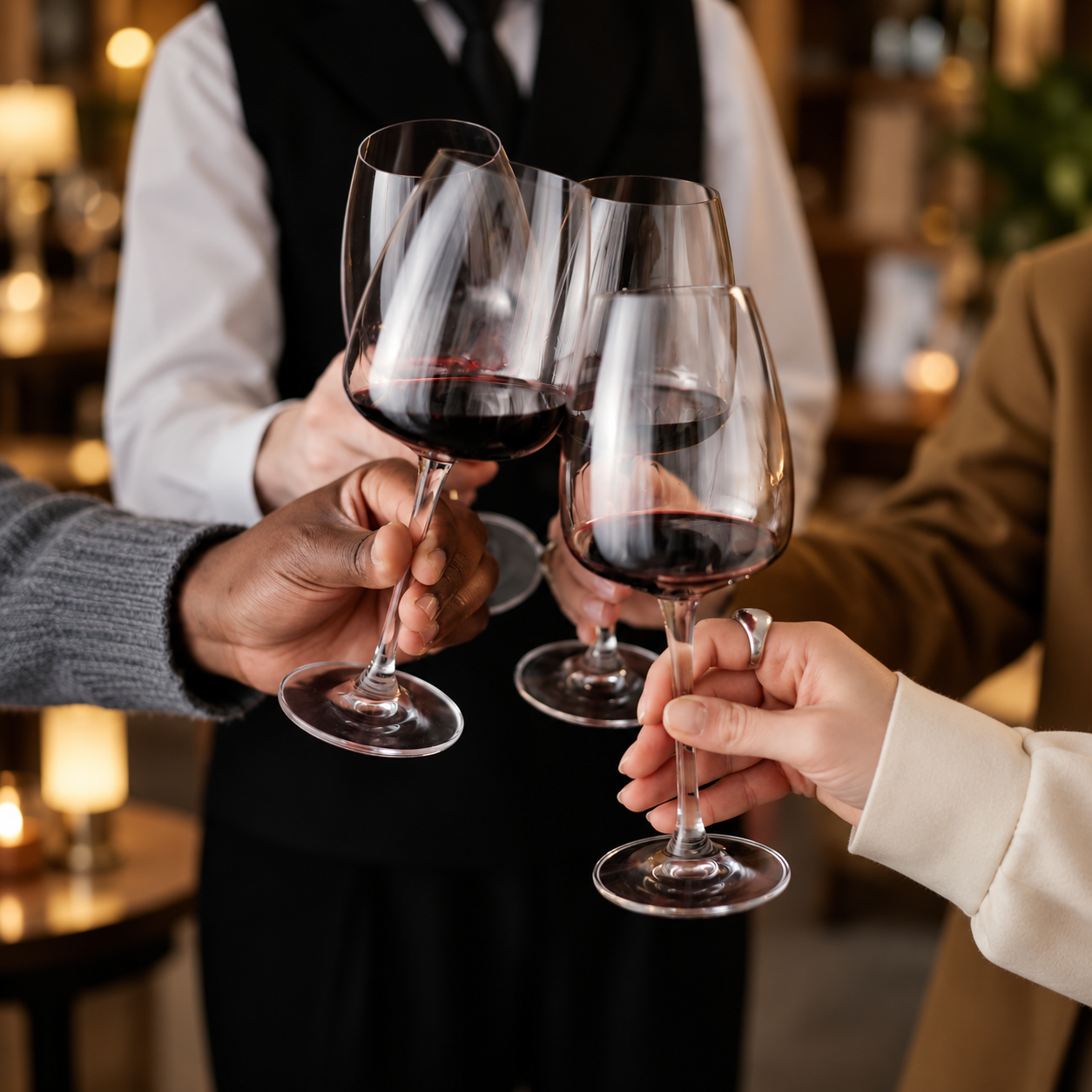
Hands raising glasses of red wine in a toast
Sustentu Journal · Volume 01 · 2026

Put two wines on a table. One costs three times as much as the other and comes with an impressive score. The second has no famous name, vineyard story or score on its label.

Everyone tastes both. The expensive wine gets a respectful nod. But when dinner arrives, people reach for the other bottle.

Which is the better wine?

It is a useful place to begin because good wine can mean three things: Is it well made? Do I enjoy it? Is it worth what I paid?

Separating those questions makes wine more interesting and easier to buy.

The wine in the glass

When I assess a wine professionally, I begin with what is in the glass: how its fruit, acidity, tannins, alcohol and, where relevant, sweetness and oak work together. Are its flavours clear? Is there more beyond the first impression? What remains after I swallow?

Balance does not require gentleness. A young Douro red can have serious tannin and still be balanced if there is enough fruit, acidity and structure to carry it. A bright Vinho Verde can have striking acidity and feel complete. The question is whether those elements belong together, not whether none of them stands out.

Length matters too. Do its flavours linger pleasantly, or does it leave only heat, bitterness or oak? A long finish can signal quality, but not if all that lasts is alcohol.

Then there is intensity and complexity. Does the wine have distinctive flavours? Do new notes emerge? It might move from citrus to herbs or from red fruit to spice, perhaps developing with air.

But more is not automatically better. A simple wine can excel at simplicity. On a warm afternoon, a clean, lively white that tastes vividly of fruit and invites another sip is doing precisely what it should. It need not tell its vineyard’s entire history in every glass.

I have also poured savoury, oak-aged whites that seemed too serious alone. With food, their texture, acidity and subtle flavours make sense. I love them, but would not necessarily choose one on a sunny afternoon. The occasion changes what I want from a white wine.

“Once you can explain the preference, you know more about wine and more about yourself.”

Quality and preference can disagree

Imagine I pour you a mature, beautifully made red with earthy aromas, gentle fruit and a long, subtle finish. I can explain its quality, yet you may prefer the fresh, fruit-driven red beside it. This happens often at my tastings. I may be excited by the older wine’s subtlety while someone else prefers the younger bottle. I would rather hear that than polite agreement.

You have not failed a test.

Some love high acidity; others find it sharp. Some enjoy tannin; others prefer softer reds. Oak, sweetness, oxidative notes and aged flavours divide opinion too. Experience may change your preferences, but it need not make you like everything experts admire.

The reverse also happens. You can love a technically modest wine because you drank it with grilled fish overlooking the Atlantic, or because it was the bottle your friends opened on a particularly good night. Memory is a powerful tasting companion. It deserves a seat at the table, even if it says nothing about the wine’s technical quality.

People sometimes apologise at my tastings for preferring the cheaper bottle. The useful question is why. Perhaps its fruit is more immediate. Perhaps its acidity works better with the food. Perhaps the expensive bottle needs time in the cellar, or simply is not to their taste.

Once you can explain the preference, you know more about wine and more about yourself.

I think about this with beer. An IPA or pale ale may taste more intense, but sometimes I prefer a very cold lager. I enjoy it less as it warms. Its refreshing simplicity reminds me of drinking beer back home in Portugal. More intensity does not always mean more pleasure. The same is true of wine.

What does the price buy?

A higher price may reflect expensive land, low yields, hand work, long ageing, scarce supply, a strong reputation or the costs of getting a bottle to your table. Some of those factors can help create remarkable wine. Others affect its price without necessarily making your next glass more enjoyable.

Scarcity, in particular, is easy to confuse with quality. A wine can be rare and brilliant. It can also be rare and merely rare.

At the other end, a low price does not prove that a wine is poor. Good producers can make generous wines affordable enough for a Tuesday. Responsible growing and winemaking still have costs. But the number on the shelf is not a tasting note.

The most interesting question is often value: what does this bottle give you at this price, for this occasion? A £15 wine that is fresh, characterful and delicious with dinner might offer better value to you than a £60 bottle you admire more than you enjoy. The £60 wine may also be worth every pound when you want depth, age or a new experience.

Context changes the answer. So does your budget. Wine doesn’t become better because buying it hurts.

And the scores?

A score is one person's assessment of a particular wine, usually at a particular moment. It can be helpful. Critics taste widely; a thoughtful review can reveal a wine you would otherwise miss. Yet different publications may score the same bottle differently. Critics bring experience, preferences and cultural influences to the glass. Disagreement does not mean one forgot how to taste.

But a number cannot tell you whether you will enjoy its style. Equally scored wines may taste completely different. A powerful 95-point red might overwhelm your meal; an unscored, quieter wine might suit it perfectly.

Nor should a score replace the words around it. Read the description. Does it mention freshness, ripe fruit, firm tannins, sweetness, oak or flavours you actually like? I would rather know what a wine tastes like than receive a number and instructions to be impressed.

Scores can open a door. Your palate still has to walk through it.

“The label gives you clues. The glass gives you evidence.”

Place has a voice, but it needs help

One reason I find Portuguese and Spanish wines so exciting is the sheer range of experiences they offer. A salty, Atlantic-facing white and a concentrated inland red can both be excellent, yet asking them to meet the same idea of greatness misses the point.

Think of an Encruzado from the Dão. Its appeal might lie in texture, acidity, quiet fruit and the way those qualities develop over a meal. Then consider an Alvarinho from Vinho Verde, where brightness and aromatic clarity may be exactly what you want. Neither grape needs to imitate the other to prove its worth.

The same applies to reds. A Douro wine does not have to be enormous to be serious. A lighter, fruit-driven red from Beaujolais does not need to apologise for lacking weight. Some Beaujolais wines have more structure; the region has range. The better question is whether the wine expresses its style convincingly: does it have energy, balance and a reason to keep returning to the glass?

Place and grape are useful guides, but they are not certificates of quality. Famous appellations produce disappointing bottles too. Unfamiliar regions can produce wonderful ones. The label gives you clues. The glass gives you evidence.

Give the wine a fair chance

Before judging a bottle, consider how it was served. A white straight from an icy fridge can hide its aromas. A warm red can feel more alcoholic than it really is. Try taking a white out of the fridge 15 minutes before serving, or cooling a warm red briefly. A young, structured red may seem severe on its own and become much more welcoming alongside food.

Time matters. Some wines open with air; others shine on pouring. An older, dearer bottle is not automatically at its peak. Wine changes, and you may catch it at the wrong moment.

I am not suggesting a laboratory procedure every time you open a bottle. Before deciding a wine has failed, let it warm slightly, try it with food or return ten minutes later. Its story may change.

“Scores can open a door. Your palate still has to walk through it.”

A better way to taste

The next time you try a wine, forget the price and the score for a moment. Ask yourself a few plain questions.

What do I notice first? Does anything feel out of place? Do the flavours stay with me? Do I discover something new in a second sip? And, finally, do I want another glass?

That last question is personal. The others help you understand the wine. Together, they are far more useful than a rule telling you what you ought to like.

I want people to feel confident saying, “I can see why this is a very good wine, but it is not for me.” I also want them to feel comfortable saying, “This is uncomplicated, and I love drinking it.” Both can be honest, informed responses.

The best bottles make those questions feel almost unnecessary. They hold your attention, suit the moment and invite you back. Sometimes they are expensive. Sometimes they are discoveries from a place you have never visited, made from a grape you cannot yet pronounce.

Quality matters. So does pleasure. Learn to recognise both, and you can choose your next bottle on your own terms.

“Quality matters. So does pleasure.”
About the author

Rui Santil DipWSET

Rui Santil DipWSET is a Portuguese wine professional based in London. He works across the UK sharing Portuguese and Spanish wines with sommeliers, buyers, restaurants and wine lovers, with a particular focus on Iberian wine culture, regional identity and native grape varieties.